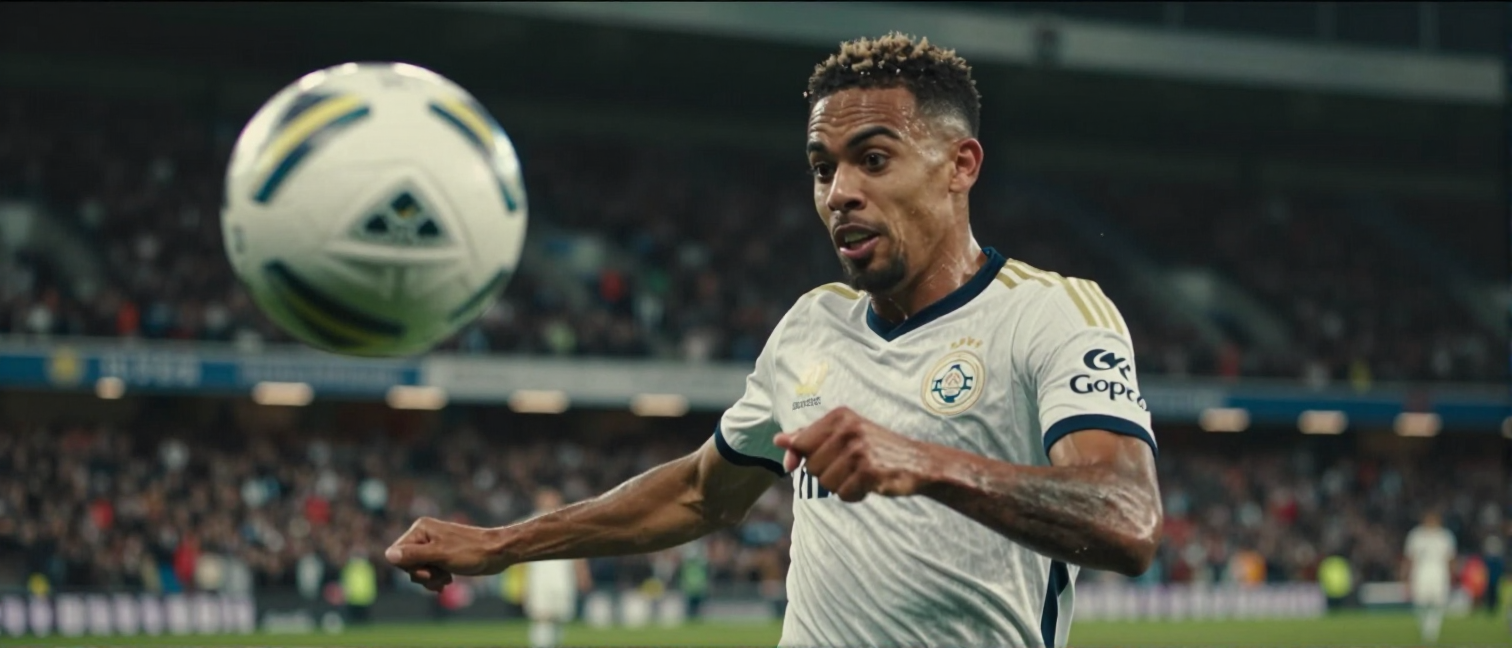
Gabriel Martinelli sparked a fraught exchange with teammate Leandro Trossard on 7 Jul 2026, a moment that has left Arsenal’s dressing‑room on edge and could shape the club’s tactical choices this season.
What triggered the conversation?
The incident unfolded during a routine pre‑season training session at the London club’s academy. Martinelli, who has been a regular starter on the left flank, confronted Trossard after the Belgian winger was seen taking a free‑kick that Martinelli felt infringed on his preferred shooting zone. Sources close to the squad said Martinelli accused Trossand of “overstepping” his role, prompting a heated back‑and‑forth that halted the drill.
How does it affect Arsenal’s squad dynamics?
Arsenal manager Mikel Arteta has built his side around fluid attacking interchange, relying on both Martinelli’s pace and Trossard’s creativity. A rift between them threatens that balance. If the two cannot reconcile, Arteta may be forced to adjust his formation, perhaps shifting Martinelli to a more central role or limiting Trossard’s set‑piece duties. The club’s recent injury list already forces rotation, so any internal friction could cost valuable minutes on the pitch.
Why is Martinelli’s stance significant?
Martinelli, now 24, has emerged as one of the Premier League’s most consistent wide‑forwards, contributing eight goals and five assists last season. His willingness to call out a teammate signals a growing confidence – and a desire to protect his attacking space. It also mirrors past moments when younger players demanded clearer roles, a pattern that sometimes pushes managers to clarify tactical hierarchies.
What could happen next?
Arteta is expected to address the issue in the upcoming squad meeting, according to insiders. The manager may set clear boundaries on set‑piece responsibilities, ensuring Martinelli’s preferred zones remain untouched. Alternatively, a tactical reshuffle could see Trossard deployed more centrally, reducing overlap with Martinelli’s wing work. Either route will be watched closely by fans and pundits, as the outcome may dictate Arsenal’s attacking rhythm in the early Premier League fixtures.
How will this shape the season?
If the disagreement is resolved, Arsenal could retain the fluidity that helped them finish third last term. A lingering dispute, however, might lead to reduced chemistry, potentially costing points in tightly contested matches. Martinelli’s form will remain a barometer; a dip could hint at lingering tension, while continued goal contributions would suggest the issue was merely a blip.
What does this mean for the broader squad?
The episode underscores the fine line between healthy competition and discord in elite clubs. Younger stars like Martinelli are increasingly vocal about their roles, a trend that could force senior players and coaching staff to adapt. For Arsenal, managing this internal dialogue will be as crucial as any transfer window move.
Final note
The Martinelli‑Trossard clash is a reminder that even successful squads must navigate personality clashes. How Arteta steers the conversation will likely set the tone for Arsenal’s campaign, with Martinelli’s ambitions at the heart of the story.